






Comprehensive Guide to Nathan Chasing Horse: Early Life, Hollywood Career, Cultural Role, and Legal Developments
The story of Nathan Chasing Horse is not a simple one. It’s layered, emotional, and at times deeply unsettling. For decades, he was known as a powerful cultural figure—an actor, spiritual leader, and symbol of Native American representation in mainstream media. Yet in more recent years, that public image has been overshadowed by serious allegations and legal troubles that have reshaped how many people view his life and legacy.
Understanding Nathan Chasing Horse requires stepping beyond headlines and taking a closer look at the broader context: his early life, his rise to prominence, his cultural significance, and the controversies that ultimately altered his public standing. This article explores all of those dimensions in depth, offering a comprehensive and balanced look at a figure whose story continues to spark conversation, debate, and reflection.
Early Life and Cultural Background
Nathan Chasing Horse was born into a Native American family with deep cultural roots, growing up within traditions that emphasized spirituality, storytelling, and community. His upbringing played a central role in shaping his identity, especially in terms of his connection to Lakota traditions and beliefs. From a young age, he was exposed to ceremonies, teachings, and a worldview that would later influence both his acting career and his role as a spiritual figure.
Life on reservations and within Native communities often comes with unique challenges—economic hardship, limited access to resources, and cultural marginalization. Yet it also fosters resilience and a strong sense of identity. For Nathan Chasing Horse, these dual realities created a foundation that would later inform his public persona. He carried himself as someone deeply connected to his heritage, which made him stand out in Hollywood at a time when Native American representation was often stereotyped or minimized.
His early years were not widely documented in mainstream media, but those who knew him described a person deeply committed to preserving cultural traditions. This commitment would later become a defining feature of his public image, especially as he gained recognition beyond his community.
Breakthrough in Film and Rise to Fame
Nathan Chasing Horse gained widespread attention through his role in the 1990 film Dances with Wolves, directed by and starring Kevin Costner. In the film, he portrayed Smiles a Lot, a young Lakota man whose quiet strength and sincerity resonated with audiences. The movie itself was a major success, winning multiple Academy Awards and bringing Native American stories into the mainstream spotlight in a way that had rarely been done before.
For many viewers, his performance was memorable not because it was flashy, but because it felt authentic. He brought a sense of realism and emotional depth to the role, helping to humanize Native characters in a film that sought to challenge long-standing stereotypes. This role became a defining moment in his career, opening doors to additional opportunities in film and television.
However, the path forward in Hollywood was not as expansive as one might expect. Despite the success of Dances with Wolves, roles for Native American actors remained limited. Nathan Chasing Horse continued to work in the industry, appearing in various projects, but he never quite reached the level of mainstream stardom that his breakout performance might have suggested.
Still, his presence in film carried symbolic weight. He represented a shift—however small—toward more nuanced portrayals of Indigenous people. For many Native viewers, seeing someone from their own cultural background on screen was both meaningful and empowering.
Cultural Influence and Spiritual Leadership
Beyond acting, Nathan Chasing Horse became known as a spiritual leader within certain circles. He was associated with traditional Lakota ceremonies and teachings, and he often presented himself as someone with deep spiritual insight. This aspect of his identity attracted followers who were seeking guidance, healing, or a stronger connection to Indigenous spirituality.
Spiritual leadership in Native communities is a complex and deeply respected role. It often involves years of training, mentorship, and community recognition. For some, Nathan Chasing Horse embodied these qualities. He was seen as someone who could bridge traditional knowledge with contemporary life, offering guidance in a rapidly changing world.
At the same time, the rise of spiritual figures in public spaces can also invite scrutiny. Questions about authenticity, authority, and accountability often arise, particularly when spiritual practices intersect with broader audiences outside the community. In the case of Nathan Chasing Horse, these questions would later become central to the controversies surrounding him.
His influence extended beyond ceremonial contexts. He participated in gatherings, spoke at events, and engaged with people from diverse backgrounds. For a time, he was viewed as a cultural ambassador of sorts, someone who could share Indigenous perspectives with a wider audience.
The Intersection of Fame and Responsibility
Fame brings visibility, but it also brings responsibility. For individuals like Nathan Chasing Horse, who are seen as representatives of their culture, that responsibility can be especially significant. Every public action, statement, or affiliation has the potential to shape perceptions—not just of the individual, but of the community they are associated with.
In the early years of his public life, Nathan Chasing Horse appeared to navigate this responsibility with a sense of purpose. He used his platform to highlight cultural traditions and to challenge misconceptions about Native American life. However, as time went on, the balance between public image and private actions became more complicated.
The expectations placed on public figures can be intense, and the line between personal identity and public persona often becomes blurred. For someone positioned as both an actor and a spiritual leader, those expectations can be even more demanding. The pressure to live up to an idealized image can create tensions that are not always visible to outsiders.
These dynamics are important to consider when examining the later chapters of his life. They provide context for understanding how a respected figure could become the subject of serious allegations and legal scrutiny.
Allegations and Legal Challenges
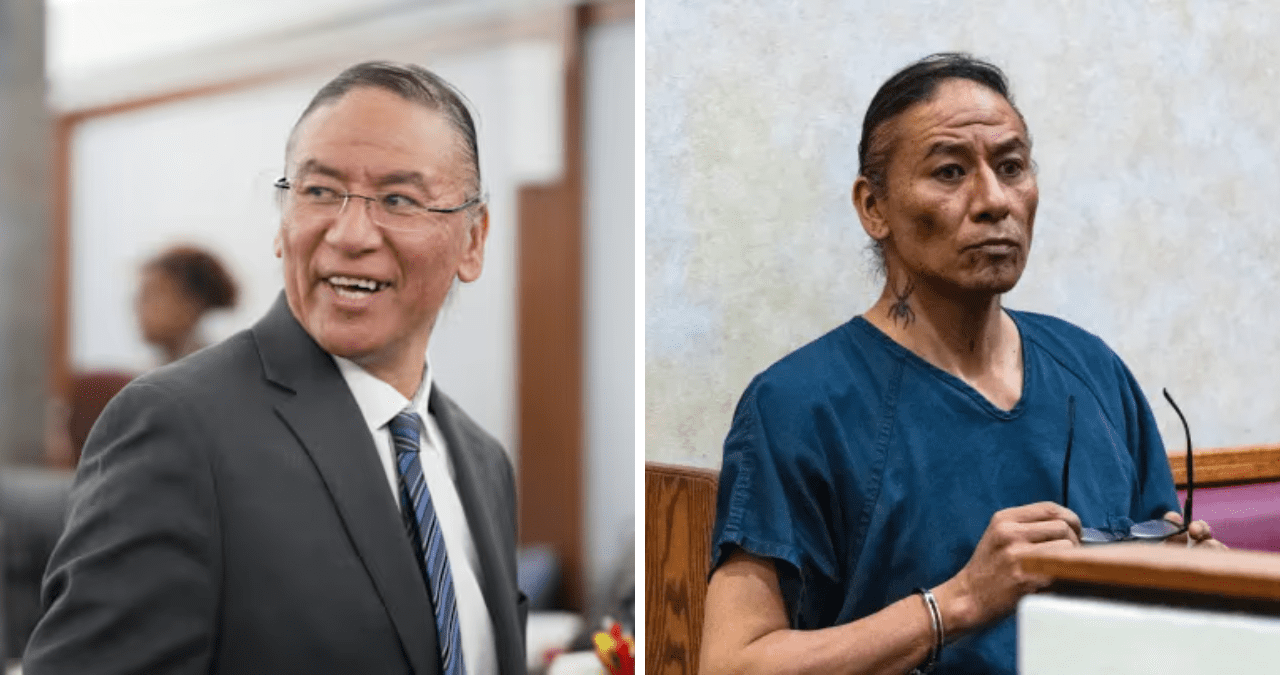
In recent years, Nathan Chasing Horse became the focus of significant legal investigations involving allegations of abuse, exploitation, and misconduct. These allegations were serious and far-reaching, involving multiple individuals and spanning a considerable period of time. Law enforcement agencies conducted extensive investigations, leading to arrests and formal charges.
The details that emerged during these investigations were deeply troubling. They included claims of manipulation, coercion, and the misuse of spiritual authority to exert control over followers. Such allegations, if proven, represent a profound violation of trust, particularly given the role he held as a spiritual figure.
Legal proceedings in cases like this are complex and often take time to unfold. They involve gathering evidence, hearing testimonies, and ensuring due process for all parties involved. While the legal system works to establish facts, the court of public opinion often reacts more quickly, shaping narratives and influencing perceptions.
The impact of these allegations extended beyond Nathan Chasing Horse himself. They affected communities, families, and individuals who were connected to him in various ways. They also sparked broader conversations about accountability, especially within contexts where spiritual authority can create power imbalances.
Media Coverage and Public Reaction
The media played a significant role in bringing attention to the allegations against Nathan Chasing Horse. News outlets covered the story extensively, highlighting both the charges and the broader implications. The contrast between his earlier image and the nature of the allegations created a compelling—and unsettling—narrative.
Public reaction was mixed, reflecting a range of perspectives. Some expressed shock and disappointment, struggling to reconcile the person they thought they knew with the accusations being reported. Others emphasized the importance of listening to victims and ensuring that justice is served.
Social media amplified these reactions, creating spaces for discussion, debate, and sometimes misinformation. In such environments, narratives can quickly become polarized, making it difficult to maintain nuance. This is particularly true in cases involving cultural figures, where issues of identity and representation add additional layers of complexity.
The story also prompted discussions about how media portrays Indigenous communities and leaders. Some commentators raised concerns about the potential for stereotypes to be reinforced, while others stressed the importance of holding individuals accountable regardless of their cultural background.
Impact on Native American Communities
The situation surrounding Nathan Chasing Horse had a significant impact on Native American communities. For many, it was not just about one individual, but about the broader implications for cultural representation and trust. When a figure associated with spiritual leadership faces serious allegations, it can create ripple effects that extend far beyond the immediate case.
Community members expressed a range of emotions, including anger, sadness, and a desire for accountability. At the same time, there was a strong emphasis on protecting and preserving authentic cultural practices. Many leaders and elders spoke out to clarify that the actions of one individual do not define an entire tradition or community.
This distinction is crucial. Indigenous cultures are diverse and complex, with rich histories and deeply rooted values. The actions of any single person—positive or negative—should not be used to generalize or misrepresent those cultures.
The situation also highlighted the importance of safeguarding vulnerable individuals within communities. It underscored the need for clear boundaries, transparency, and accountability in all forms of leadership, including spiritual roles.
The Role of Spiritual Authority
Spiritual authority can be a powerful force. It can inspire, heal, and bring people together. But it can also be misused, particularly when there is a lack of oversight or accountability. The case of Nathan Chasing Horse raises important questions about how spiritual authority is established, maintained, and challenged.
In many traditions, spiritual leaders are recognized through community validation rather than self-declaration. They are expected to adhere to ethical standards and to act in the best interests of those they guide. When these expectations are not met, it can lead to significant harm.
The allegations against Nathan Chasing Horse suggest a breakdown in these safeguards. They point to the potential for spiritual roles to be exploited, especially when followers place deep trust in their leaders. This dynamic is not unique to any one culture; it can occur in various contexts around the world.
Addressing these issues requires a combination of community awareness, education, and systems of accountability. It also involves creating spaces where individuals feel safe to speak out and to seek support when needed.
Legal Proceedings and Ongoing Developments
As legal proceedings continue, the case remains an evolving story. Courts are tasked with examining evidence, hearing from witnesses, and determining outcomes based on the law. These processes can take time, and it is important to approach them with patience and respect for due process.
For Nathan Chasing Horse, the legal challenges represent a significant turning point. They have shifted the focus from his earlier achievements to the serious allegations he faces. Regardless of the final outcomes, the case has already had a lasting impact on his public image and legacy.
Ongoing developments are closely watched by both media and the public. Each new piece of information adds to the broader understanding of the situation, while also raising new questions. It is a reminder of how complex and multifaceted such cases can be.
The legal system’s role is to provide clarity and accountability. At the same time, it operates within a broader social context, where perceptions and narratives continue to evolve.
Reassessing Legacy and Public Perception
The legacy of Nathan Chasing Horse is now deeply contested. For some, his earlier contributions to film and cultural representation remain significant. For others, the allegations overshadow those achievements, fundamentally altering how he is perceived.
Reassessing a public figure’s legacy is never straightforward. It involves weighing different aspects of their life and considering how they align—or conflict—with societal values. In cases involving serious allegations, this process can be particularly challenging.
Public perception is not static; it changes over time as new information emerges and as societal norms evolve. What remains consistent, however, is the importance of accountability. Achievements in one area do not negate harm in another, and both must be considered when evaluating a person’s legacy.
The story of Nathan Chasing Horse serves as a reminder of this complexity. It illustrates how public figures can embody both positive contributions and serious failings, and how society must grapple with that duality.
Lessons and Broader Implications
There are broader lessons to be drawn from this case. One of the most important is the need for critical thinking and discernment, particularly when it comes to figures in positions of authority. Trust is important, but it should be accompanied by awareness and accountability.
Another key lesson is the importance of supporting those who come forward with allegations of abuse or misconduct. Creating environments where individuals feel safe to speak out is essential for addressing harm and preventing it in the future.
The case also highlights the need for responsible media coverage. Reporting on sensitive issues requires accuracy, context, and respect for all parties involved. Sensationalism can distort understanding and contribute to misinformation.
Finally, it underscores the resilience of communities. Despite the challenges posed by situations like this, communities continue to uphold their values, support one another, and work toward healing and justice.
Moving Forward
As the story of Nathan Chasing Horse continues to unfold, it remains a topic of significant public interest. It raises important questions about fame, culture, responsibility, and accountability—questions that extend far beyond any one individual.
Moving forward, it will be important to focus on truth, justice, and healing. This includes allowing the legal process to run its course, supporting those affected, and continuing to engage in thoughtful and informed discussions.
At the same time, it is essential to recognize the broader context. Indigenous cultures and communities are rich, diverse, and resilient. They cannot be defined by the actions of a single individual, no matter how prominent that individual may be.
The story is still being written, and its final chapters have yet to unfold. What remains clear, however, is that it will continue to shape conversations about leadership, accountability, and the complexities of public life for years to come.


